GLP-1 medications have become one of the most talked-about developments in healthcare, and for good reason. For people struggling with obesity, Type 2 diabetes, and other related conditions, these drugs represent a meaningful option that didn’t exist a decade ago.
With so many brand names, insurance restrictions, and headlines about shortages and side effects, it’s hard to know what’s real and whether GLP-1s are right for you.
“All hormones affect all other hormones,” says Dr. Brittany Henderson, a board-certified endocrinologist and director of the Charleston Thyroid Center. “We use a lot of these medications because they address insulin resistance, weight, and metabolic health in ways we couldn’t before.”
Here’s what you need to know.
Watch the full conversation with Dr. Brittany Henderson below, or keep reading for the key takeaways.
What are GLP-1s?
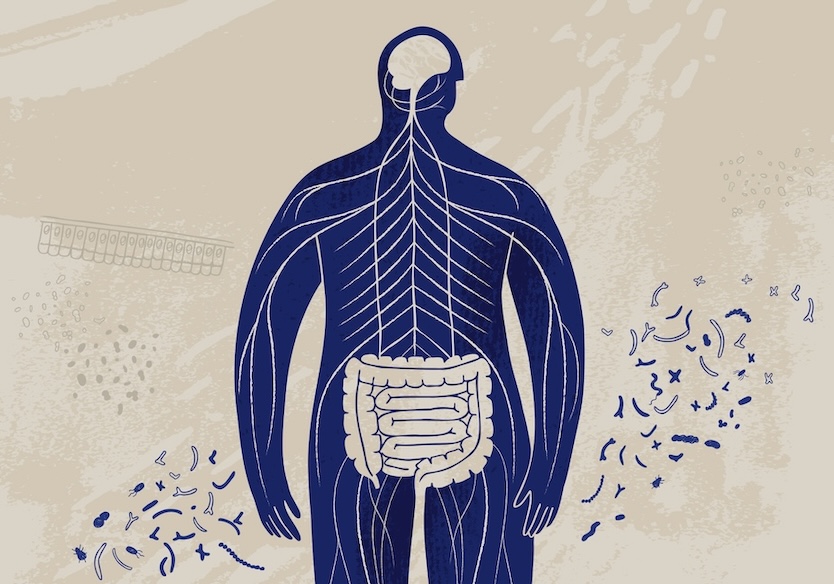
GLP-1 stands for “glucagon-like peptide-1,” a hormone naturally secreted by your intestines after eating, especially after consuming carbohydrates and sugars. This hormone helps regulate insulin, control blood sugar, and signal feelings of fullness.
GLP-1 medications mimic this hormone, amplifying its effects throughout the body.
The origin story of GLP-1s is unexpectedly wild: In the 1890s, a physician named George Goodfellow studied the Gila monster, a venomous lizard native to Arizona and New Mexico. He found a peptide in the lizard’s saliva that was 53% identical to human GLP-1. One of the first GLP-1 drugs was modeled directly on that venom.
How do GLP-1s work?
GLP-1 medications work on multiple organs simultaneously:
- Pancreas: GLP-1 medications lower blood sugar spikes by improving insulin response when you eat carbohydrates.
- Brain: They lower appetite and increase satiety, or the feeling of being full, so you stop eating sooner and stay feeling full longer.
- Stomach: GLP-1 medications also slow gastric emptying, meaning your stomach expands and feels full faster.
Some newer medications, like tirzepatide (offered under the brand names Mounjaro and Zepbound), are “dual agonists,” meaning they activate both GLP-1 and another hormone called “GIP,” which helps move fat out of the body and improves muscle tissue sensitivity to insulin.
“GIP preferentially increases blood flow to fat tissue and helps with improving body composition,” Dr. Henderson explains. “They work together.”
How do GLP-1s work for weight loss?
The weight loss mechanism comes down to appetite and satiety. By reducing hunger and helping you feel full faster, GLP-1s make it easier to eat less without feeling deprived.
Clinical trial results have been striking:
- Wegovy (semaglutide): In a 68-week study of nearly 2,000 patients with obesity and at least one related health condition, participants lost an average of 15% of their body weight — about 35 pounds from an average starting weight of 232 pounds.
- Zepbound (tirzepatide): In a 72-week study, patients without diabetes lost an average of 20% of their body weight — about 50 pounds from an average starting weight of 231 pounds.
Both trials included reduced-calorie diets and increased physical activity alongside the medication.
Ozempic vs. Wegovy: What’s the difference?
This is one of the most common questions, and the answer is simpler than you’d think.
Ozempic and Wegovy are the same medication: semaglutide. The difference is in the indication and marketing:
| Brand Name | Used For (Indication) | Form | Active Ingredient |
| Ozempic | Type 2 Diabetes | Injection or pill | Semaglutide |
| Wegovy | Weight Loss | Injection or pill | Semaglutide |
| Mounjaro | Type 2 Diabetes | Injection | Tirzepatide |
| Zepbound | Weight Loss | Injection | Tirzepatide |
“You want your provider to actually write [a prescription] for the correct GLP-1, whether it’s for weight loss or Type 2 diabetes,” Dr. Henderson says. “The insurance is looking at this very closely, and you won’t get it covered unless it’s the correct name.”
GLP-1 insurance coverage: How to navigate it
Insurance coverage for GLP-1 medicines depends on your diagnosis, your BMI, and your specific insurance plan.
For diabetes medications (Ozempic, Mounjaro):
You typically need a formal diagnosis of Type 2 diabetes. This diagnosis usually requires a fasting blood sugar over 126 mg/dL, A1c of 6.5% or above, or a failed glucose tolerance test. Prediabetes, insulin resistance, and PCOS generally do not qualify.
For weight loss medications (Wegovy, Zepbound):
The FDA indications are:
- BMI of 27 or above with at least one cardiometabolic risk factor (e.g., high blood pressure, high cholesterol, sleep apnea), OR
- BMI of 30 or above
“Your insurance plan is unique to you,” Dr. Henderson notes. “You have to know if your plan has weight loss medicine coverage.” Visit your insurance’s member portal or if your employer offers Summus, reach out to confirm what’s covered in your plan.
Most prescriptions require prior authorization. Your provider will need to submit clinical documentation proving you meet the criteria.
Paying out-of-pocket:
Some people choose to pay out-of-pocket for GLP-1 medicines, but it can be costly, often hundreds of dollars per month.
GLP-1 side effects: What to expect
While GLP-1 medications have been shown to work, they’re not without trade-offs. There are many common side effects, most of which relate to GI issues, general nausea, and lack of energy.
Common side effects:
- GI issues: nausea, constipation, diarrhea, acid reflux, vomiting
- Low blood sugar (especially if combined with other diabetes medications)
- Nausea and decreased appetite (which is partly how they work)
Important considerations:
In addition to the common side effects listed above, there are a few other, more serious side effects that have been documented.
- Pancreatitis is a black box warning, though it’s not common
- Depression and mood changes: Because GLP-1s affect the brain, patients with a history of depression should be monitored for worsening symptoms
- Muscle atrophy: Weight loss without strength training can lead to muscle loss
- Rebound weight gain: Stopping the medication often leads to weight regain if lifestyle changes haven’t been established while taking the medication
“When you are on these medicines, work on flipping the fat-to-muscle ratio,” Dr. Henderson advises. “Building muscle while losing fat is so much easier to maintain with regard to energy production and preventing insulin resistance from coming back.”
Benefits of GLP-1 medicines beyond weight loss
The possible benefits of GLP-1 medicines extend far beyond the number on the scale. Some of the top benefits include:
- Cardiovascular protection: GLP-1s reduce the risk of stroke, heart attack, and cardiovascular death. This is particularly important for people with Type 2 diabetes, who develop cardiovascular disease an average of 15 years earlier than those without diabetes.
- Fatty liver disease: In 2025, Wegovy received FDA approval to treat nonalcoholic fatty liver disease with fibrosis (or scar tissue).
- Sleep apnea: Zepbound recently received approval to treat moderate-to-severe sleep apnea.
- Reduced inflammation: Improvements in joint pain, swelling, and autoimmune conditions
- Improved fertility for some childbearing females
- Lower cholesterol and blood pressure
- Reduced risk of obesity-related cancers
“These medicines, because of reducing inflammation, are improving people’s energy,” Dr. Henderson says. “They’re also improving their sense of well-being and confidence.”
What are compounded GLP-1s and are they safe?
Compounded medicines are custom-prepared copies of brand-name drugs, mixed by compounding pharmacies rather than mass-produced by the original patent holders. They are not approved by the FDA.
Compounding was temporarily allowed during drug shortages, but those shortages have largely resolved. Many pharmaceutical companies are now pursuing legal action against compounding pharmacies.
Dr. Henderson is clear on compounded GLP-1s: proceed with caution.
“The FDA continues to warn against compounded prescriptions,” she says. “There are counterfeits that they have discovered on the market.”
The bottom line on GLP-1 medicines
GLP-1 medications represent a viable, effective option for people struggling with obesity, Type 2 diabetes, and related metabolic conditions. The clinical data is strong, and the benefits extend beyond weight loss to cardiovascular health, inflammation, and quality of life.
That said, these are serious medications with real side effects, insurance complexities, and long-term considerations. Doctor-led guidance matters, both in determining whether you’re a candidate for these medicines and in supporting you through treatment.
You have more control over your weight and overall health than you might think. The key is getting the right information and the right support.
Need more guidance on GLP-1s, including how to talk to your doctor and navigate your insurance coverage?
Summus connects you with top specialists like Dr. Henderson for expert advice on weight loss, nutrition, mental health, cardiovascular health, and more. We also invite you to watch the full session with Dr. Henderson here.