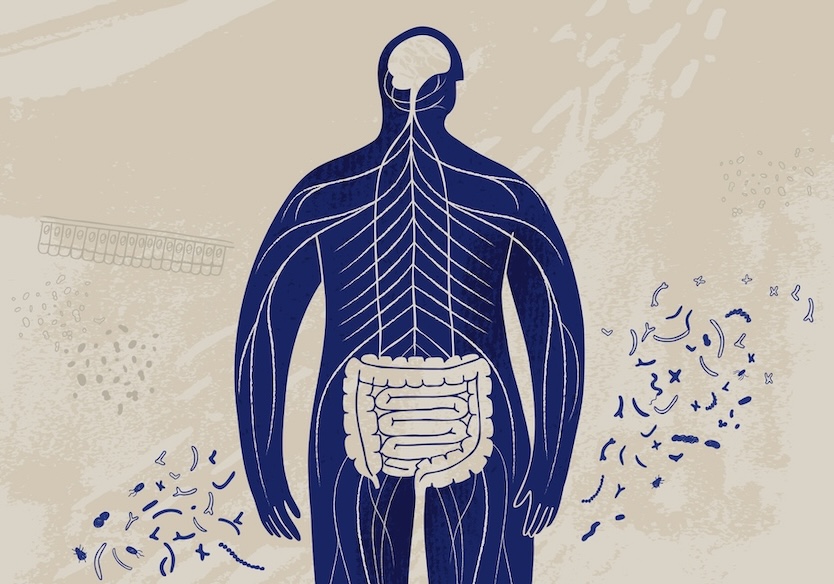
We often talk about stress and pressure like they’re the same thing. It turns out they aren’t, and understanding the difference is the first step toward handling each effectively.
“Pressure is external and stress is internal,” says Dr. Eric Bean, a certified mental performance consultant. “Pressure is this real or perceived demand placed on us from outside forces,” he says. “Stress is the physiological, cognitive, or emotional response we experience, often in reaction to that sense of pressure.”
Dr. Bean has spent his career coaching high performers under extreme conditions, including Navy SEALs, surgeons, elite athletes, and business executives. People from these and many other select groups across industries have had to learn how to thrive under pressure rather than just survive it.
Two types of stress
Not all stress is bad, and Dr. Bean distinguishes between “distress” and the less-discussed “eustress.”
- Distress is what most of us picture when you think of stress. Financial pressure, relationship conflict, chronic illness, or trauma are all examples of distress. Distress drains our energy and generally feels like a negative experience.
- Eustress is different. It’s the stress brought about by positive events, like a promotion, playing with your kids after a long day, or taking on an exciting new project. It still takes energy out of our system, but our relationship to the feeling is positive.
“Both are stress on the system,” Dr. Bean explains. “The difference is how we interpret and respond to them.”
Threat mindset vs. opportunity mindset
When pressure hits, most of us default to what researchers call a “threat mindset.” We focus on what could go wrong, what we’re not prepared for, what’s at stake.
Dr. Bean uses a simple example: Imagine you’re asked to lead a high-visibility project.
In a threat mindset, your internal dialogue sounds like this: ‘I’m not prepared. My peers don’t want to be led by me. There’s not enough time.’ The result? You overreach, rush, or freeze.
In an opportunity mindset, the same event triggers different thoughts. In this mindset, your inner dialogue sounds like: ‘I can figure this out. The timeline is tight, but it’s doable.’ You may still feel nervous, but the nerves are mixed with hope, excitement, and even courage.
“We don’t just go straight to the opportunity mindset,” Dr. Bean says. “We often have that first reaction that’s pretty negative. That’s natural, it’s the negativity bias. The question is, ‘How do we shift to a more positive, opportunity mindset?’”
The good news is that you can train your brain and body to make the shift.
How to reframe stress
Dr. Bean recommends a technique called “inquisitive self-talk.” He recommends asking yourself, ‘What is the opportunity here?’
“This question challenges the mind to seek an answer,” he says. “It forces you to find the upside you might be missing.”
Another tool for shifting your mindset comes from an unexpected source: improv comedy. The improv phrase “Yes, and?” in which you accept whatever’s been offered and add more information to it, can come in handy when you encounter a stressful situation. A “Yes, and?” mindset can help you hold two truths at once: “I am nervous and hopeful. I am uncertain and capable.”
“Creating space for ‘and’ rather than ‘either/or’ is powerful,” Dr. Bean says.
How to stay present and reduce stress
Research suggests we spend less than 50% of our time fully present. The rest is spent ruminating about the past or worrying about the future.
Dr. Bean teaches a simple grounding technique called 3-2-1. When feeling stressed, identify:
- 3 things you see in your environment
- 2 things you feel (e.g., your feet on the floor, your back against a chair)
- 1 thing you hear
“It brings you back to the present moment immediately,” he says.
Another technique that works well is box breathing, in which you do each action below for four seconds:
- Inhale (4 seconds)
- Hold (4 seconds)
- Exhale (4 seconds)
- Hold (4 seconds)
“No matter what you’re thinking, the breath is always in the present moment.”
Focus on what you can control
At work, one of the biggest energy drains is fixating on things outside our control. This might be management decisions, uncooperative colleagues, or unclear communication from stakeholders or colleagues.
Rather than stressing out, Dr. Bean recommends working down a simple chain:
- What do I have influence over? (I can’t control my colleague’s communication style, but I can influence our relationship.)
- What do I have direct control over? (My perspective, where I give my energy, my next step.)
“Sometimes it’s just taking a deep breath,” he says. “We always have control over that.”
The benefits of doing hard things
Why do some people handle disruption better than others? Dr. Bean points to a concept from the Stoic philosopher Seneca called “voluntary discomfort.” It’s a type of exposure theory to uncomfortable situations.
“Deliberately putting yourself in uncomfortable situations increases your tolerance for being uncomfortable when massive change happens without your control,” he explains.
This doesn’t require extreme measures. Simple examples include taking an ice cold shower, doing an exercise that’s challenging, or sharing more than “I’m good” when someone asks how you’re doing.
“Push the bubble of comfort just a little, regularly,” Dr. Bean says. “It builds your capacity to handle the big disruptions when they arrive.”
The bottom line on thriving under stress
Stress is inevitable, but how you respond to pressure is something you can develop and improve.
The tools are simpler than you might expect: one reframing question, a breathing technique, or stating a short list of what you can control. The harder part is using these tools before you need them.
“Things turn out best for people who make the best of how things turn out,” Dr. Bean says.